Political Consultancy Services in Kenya: A Practical Guide for Governor and MP Aspirants in 2027
Kenya’s 2027 General Election presents an important opportunity for aspiring leaders to build public trust, strengthen grassroots networks and communicate their vision for leadership. However, ambition alone is not enough. Candidates must also understand their electorate, organise their teams, manage their public image and communicate consistently.
For governor and Member of Parliament (MP) aspirants, these responsibilities can quickly become overwhelming. A candidate may have strong community connections but lack a clear communication plan. Another may have an active social media presence yet struggle to convert public attention into meaningful community engagement.
This is where political consultancy services in Kenya become valuable. A professional consultancy helps candidates organise their campaign activities, develop clear messages, coordinate public relations and measure progress using reliable information.
Whether you intend to contest on a DCP, PLP, PPK, Jubilee Party or another political party’s ticket, your campaign needs a strategy built around your constituency or county, your leadership record, your priorities and the applicable party nomination rules.
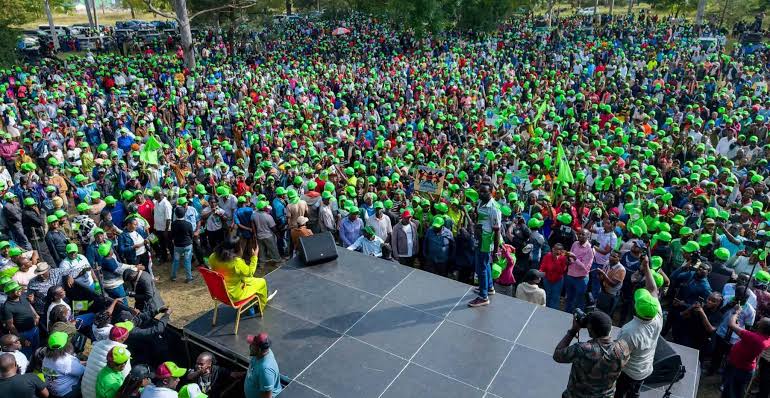
What Are Political Consultancy Services?
Political consultancy involves providing strategic advice and practical support to political candidates, campaigns and organisations. Depending on the agreed scope, this may include campaign planning, communications, public relations, digital marketing, research, media training and grassroots coordination.
Rather than treating every campaign activity as a separate project, a political consultant helps connect the different parts of the campaign. Consequently, public meetings, media interviews, social media content and policy announcements can reinforce one another.
For governor and MP aspirants, the goal is to establish a credible public profile, explain a practical leadership agenda and build an organised campaign operation.
What Does a Political Consultant Do?
A political consultancy may help with:
- Campaign planning and strategic positioning.
- Candidate branding and message development.
- Public relations, media engagement and interview preparation.
- Website development, search engine optimisation (SEO) and digital marketing.
- Community meetings, town halls and public event communications.
- Campaign research, performance measurement and reporting.
- Reputation management and crisis communication.
- Campaign content, photography, video production and digital archives.
Most importantly, these services should work together under one clear plan. Otherwise, a campaign risks spending money on activities that generate attention without advancing its stated objectives.
1. Develop a Campaign Strategy Before Spending Money
One of the common mistakes aspirants make is starting with expensive rallies, branded merchandise or social media advertisements before deciding what the campaign needs to achieve.
A better approach is to begin with research and planning.
First, identify the seat you intend to contest and the legal and party requirements that apply. Next, review the issues affecting the area, assess your existing community networks and determine the resources available to your campaign.
After that, establish measurable objectives. For example, you might aim to improve public awareness of your development agenda, increase attendance at properly organised community forums or publish regular updates on your engagement with residents.
Your strategy should answer five questions:
- What are you offering? Define your leadership vision and practical priorities.
- Who needs to understand your agenda? Identify relevant communities and stakeholders through lawful, respectful research.
- How will you communicate? Select suitable channels, including community forums, local media, your website and social platforms.
- Who will implement the plan? Assign responsibilities to campaign team members.
- How will you measure progress? Track spending, engagement, event participation and public questions.
As a result, the campaign can make informed decisions instead of relying on guesswork.
2. Governor Campaign Strategy: Focus on Countywide Leadership
A gubernatorial campaign has different demands from a parliamentary campaign. Governors are elected to lead county governments, so aspirants need to demonstrate an understanding of county functions, service delivery and development priorities.
For that reason, a governor’s campaign should present a credible countywide vision supported by practical proposals.
Explain Your County Development Agenda
Residents need to understand what you intend to do, how your proposals relate to county responsibilities and how progress could be measured.
Depending on local priorities, your agenda might address:
- Health facilities and access to healthcare.
- Agriculture, markets and support for local enterprise.
- County roads and other infrastructure within county responsibility.
- Water access and sanitation.
- Youth skills, employment opportunities and enterprise development.
- County revenue collection, budgeting and accountability.
- Public participation and transparent service delivery.
However, avoid making promises without considering their cost, legal feasibility or implementation requirements. Instead, explain the problem, propose a realistic intervention and identify the indicators residents could use to assess progress.
Build a Countywide Listening Programme
County leadership requires engagement with communities across different parts of the county. Therefore, organise structured listening forums, consult professional and community groups, and document recurring concerns.
These engagements should do more than create photographs for social media. They should produce useful records of the questions residents raise and the commitments your campaign intends to examine.
Furthermore, publish summaries of key discussions where appropriate. Doing so demonstrates that public engagement is part of your leadership approach rather than merely a campaign performance.
Communicate Your Understanding of Devolution
A strong gubernatorial candidate should explain how county government works, how county budgets are developed and how public participation contributes to decisions.
Equally important, distinguish county responsibilities from those assigned to the national government. This makes your proposals clearer and helps residents assess whether your agenda is realistic.
3. MP Campaign Strategy: Connect National Representation With Local Issues
An MP campaign requires a different emphasis. Members of the National Assembly participate in national legislation, oversight and representation. Therefore, aspirants should show that they understand both parliamentary responsibilities and the concerns of their constituents.
Build a Clear Constituency Agenda
Start by identifying recurring issues raised by residents. These may include education, roads, security, agriculture, access to public services or the implementation of relevant national programmes.
Next, organise those concerns into a clear agenda. Explain which matters an MP can address directly through parliamentary work, oversight, representation or constituency engagement, and which require cooperation with other institutions.
This distinction matters because credible candidates explain what they can influence without promising to control every public project.
Demonstrate Your Ability to Represent Constituents
Public representation is not limited to campaign rallies. It also involves listening, following up on concerns and communicating what has happened.
For instance, aspirants can publish accessible explainers on proposed laws, public policy questions and the work of Parliament. They can also organise community discussions that help residents understand how national decisions affect the constituency.
Consequently, your campaign becomes an opportunity to demonstrate the quality of your communication and public accountability.
Make Your Public Profile Easy to Verify
Maintain an accurate biography, a clear statement of your priorities and an accessible record of your public engagements. Where you refer to past achievements, provide supporting evidence and distinguish your personal contribution from work undertaken by a wider team or public institution.
A professional online presence also helps journalists, community organisations and residents find accurate information about your candidacy.
4. Political Public Relations: Build Credibility Before a Crisis Happens
Public relations is more than issuing press releases. It involves managing communication between a candidate and the public, building relationships with media organisations and responding responsibly to questions.
For governor and MP aspirants, a structured PR plan can help maintain consistency across speeches, interviews, public meetings and digital platforms.
Develop Three to Five Core Messages
Start by identifying the main ideas you want the public to understand about your leadership. These messages should be specific, evidence-based and relevant to the responsibilities of the seat you are seeking.
For example, a governor aspirant may prioritise county service delivery, transparent budgeting and agricultural development. Meanwhile, an MP aspirant may focus on legislative priorities, oversight and constituency representation.
Although the emphasis may differ, every public statement should support the candidate’s broader agenda.
Prepare for Media Interviews
Before an interview, identify the subject, prepare supporting facts and anticipate reasonable questions. Candidates should also practise explaining complex issues in plain language.
When faced with a difficult question, respond directly where possible. If information is unavailable, say so and explain how it will be verified rather than inventing an answer.
Likewise, correct genuine errors promptly. Consistent, accountable communication is more sustainable than exaggerated claims.
Prepare a Crisis Communication Plan
Political campaigns can face allegations, inaccurate reports, internal disagreements or unexpected events. Without preparation, a rushed response may create further confusion.
A crisis communication plan should identify who verifies information, who approves official statements and how the campaign corrects errors. It should also establish clear standards against harassment, fabricated evidence and the deliberate spread of misinformation.
As a result, the campaign can respond quickly while protecting its credibility.
5. Digital Marketing for Governor and MP Aspirants
Digital communication has become an important part of political visibility in Kenya. Nevertheless, publishing frequently is not the same as running an effective digital campaign.
The priority should be to communicate useful information, make the candidate’s agenda accessible and evaluate whether the content serves a clear purpose.
Build a Professional Political Website
A campaign website can serve as a central source of verified information. Unlike social media posts, website content can be organised into permanent sections that visitors can find through search engines.
A useful political website should include:
- The candidate’s biography and public service experience.
- The campaign vision and policy priorities.
- Updates on public meetings and community engagements.
- Verified announcements and media statements.
- Contact details or an official enquiry channel.
- A privacy notice and appropriate data-handling information.
For better SEO, use descriptive page titles, clear headings, relevant search terms and helpful original content. For example, a governor aspirant might publish a page about their county development agenda, while an MP aspirant could explain their parliamentary priorities.
However, avoid publishing unverified claims simply to attract search traffic. Search visibility is valuable only when the information supports public understanding and credibility.
Use Social Media With a Purpose
Facebook, TikTok, Instagram, YouTube, X and WhatsApp can support different forms of campaign communication. The right mix depends on the audience, the content and the resources available.
For example, short videos can explain a policy proposal, while longer interviews can provide more context. Photo reports can document public meetings, and written posts can clarify official announcements.
Meanwhile, WhatsApp should be used responsibly, with appropriate consent and respect for privacy. Campaigns should not circulate private personal information or add people to promotional groups without a proper basis.
Create a Realistic Content Calendar
A content calendar helps the campaign publish consistently without making every post an emergency task.
A practical weekly schedule might include:
- Monday: Explain one policy priority.
- Tuesday: Share a verified update from a public engagement.
- Wednesday: Publish a short video answering a common question.
- Thursday: Share a factual explainer about the relevant level of government.
- Friday: Publish a summary of campaign activities and next steps.
- Weekend: Share scheduled community engagement updates where appropriate.
Adapt this schedule to the campaign’s actual activities. The aim is not to fill every day with posts, but to ensure that each publication offers useful information.
Measure What Matters
Do not evaluate digital performance by follower numbers alone. Instead, review indicators such as website visits, video completion rates, meaningful enquiries, event registrations, response times and the cost of producing content.
These figures help the campaign understand what is working and where resources may be wasted. They should be interpreted carefully, however, because online engagement does not automatically translate into votes.
6. Grassroots Mobilisation and Community Engagement
Digital visibility cannot replace genuine community engagement. Residents may want to ask detailed questions, discuss local concerns and assess whether a candidate listens respectfully.
For this reason, campaign teams should plan community meetings with clear objectives and proper follow-up.
Organise Purposeful Public Meetings
Before each meeting, establish its purpose, venue, expected attendance, programme and budget. Assign responsibilities for logistics, communication, accessibility, safety and documentation.
During the event, provide opportunities for participants to ask questions. Afterward, record the major issues raised and assign follow-up tasks to the appropriate team members.
In addition, ensure that event communications are accurate. Do not inflate attendance figures, misrepresent community endorsements or publish photographs in ways that imply support that participants did not express.
Establish a Reliable Field Team
A campaign needs clearly defined responsibilities. Depending on its size, the team may include a campaign coordinator, communications lead, finance officer, event organiser, volunteer coordinator and digital content team.
Each role should have a clear reporting line. Consequently, campaign information can be verified, spending can be monitored and problems can be escalated without unnecessary confusion.
7. Campaign Budgeting: Spend Strategically and Keep Records
A campaign budget should reflect its objectives, available resources and legal obligations. Before committing funds, estimate the costs of research, communications, travel, events, staffing, technology and other approved activities.
It is also important to distinguish essential expenses from optional ones. A polished video may be useful, for example, but it should not take priority over basic campaign organisation or required compliance work.
Track expenditure against the approved budget and retain supporting records. Furthermore, establish a process for authorising payments and reconciling expenses.
Political campaigns in Kenya must comply with applicable election laws, campaign finance requirements and relevant party rules. Because requirements and official timetables can change, candidates should verify current obligations with the relevant authorities and qualified legal advisers.
8. Choose a Political Consultancy That Fits Your Needs
Not every aspirant requires the same level of support. Some candidates need a complete communications and campaign strategy, while others may need a website, media training, digital content or a more organised public relations process.
Therefore, evaluate a consultancy based on its proposed work, relevant experience, reporting standards and ability to explain how results will be assessed.
Before signing an agreement, clarify:
- The services included and excluded.
- The project timeline and deliverables.
- The budget and payment terms.
- Who owns campaign content, accounts and digital assets.
- How confidential information will be protected.
- How performance will be reported.
- How legal compliance and responsible communication will be handled.
Be cautious of guaranteed-election claims. A consultancy can help improve planning, communication and execution, but no provider can responsibly guarantee the result of an election.
9. Common Campaign Mistakes Governor and MP Aspirants Should Avoid
Even a promising campaign can lose momentum when basic planning is neglected. Fortunately, many common problems can be reduced through clear systems and regular reviews.
Avoid starting too late. Early planning provides time to research issues, establish a credible public profile and prepare for party nomination requirements.
Avoid making unrealistic promises. Proposals should reflect the powers of the office, available resources and the practical steps needed for implementation.
Avoid relying on social media alone. Online communication should complement community engagement, public meetings and direct accountability.
Avoid unverified information. Confirm facts before publication, correct errors promptly and never manufacture allegations or endorsements.
Avoid spending without measurement. Every major campaign activity should have a purpose, an approved budget and a way to evaluate its value.
Avoid treating all audiences and seats alike. A gubernatorial campaign needs a countywide leadership agenda, while an MP campaign must clearly explain parliamentary representation and constituency priorities.
Finally, do not neglect compliance. Check applicable party rules, nomination procedures, election laws and official deadlines well before taking action.
10. Why Early Planning Matters for the 2027 Elections
The period before an election offers time to establish communication systems and prepare a coherent leadership agenda. Aspirants who begin planning early can review their priorities, test their public explanations, improve their websites and establish consistent reporting processes.
Nevertheless, early preparation should not be confused with ignoring official rules. Candidates must monitor announcements from their political parties and relevant election authorities, and they should confirm nomination procedures and deadlines through official channels.
For aspirants associated with DCP, PLP, PPK, Jubilee Party or any other party, the starting point remains the same: understand the requirements of the seat, prepare a credible agenda and organise a professional campaign that communicates honestly.
Conclusion: Build a Campaign Around Strategy, Credibility and Accountability
Successful campaign preparation requires more than visibility. Governor and MP aspirants need a clear leadership agenda, an organised team, reliable communication, responsible digital marketing and meaningful community engagement.
A political consultancy can help bring these elements together. By combining planning, public relations, digital communications, research and performance reporting, candidates can make better-informed decisions and communicate their priorities more clearly.
Ultimately, a campaign should demonstrate not only why a candidate wants office, but also how that candidate intends to serve the public.
Need a Political Communications Partner for 2027?
Linko helps governor and MP aspirants strengthen their campaign communications through tailored political strategy, public relations, digital marketing, website development, content production and media support.
Whether you are preparing for party nominations or planning your broader 2027 campaign, we can help you develop a communications plan that fits your seat, objectives and resources.
Contact Us to discuss a tailored political communications partnership for your campaign.