How to Win Nominations in Kenya 2027: A Practical Guide for DCP MP, Senator and Governor Aspirants
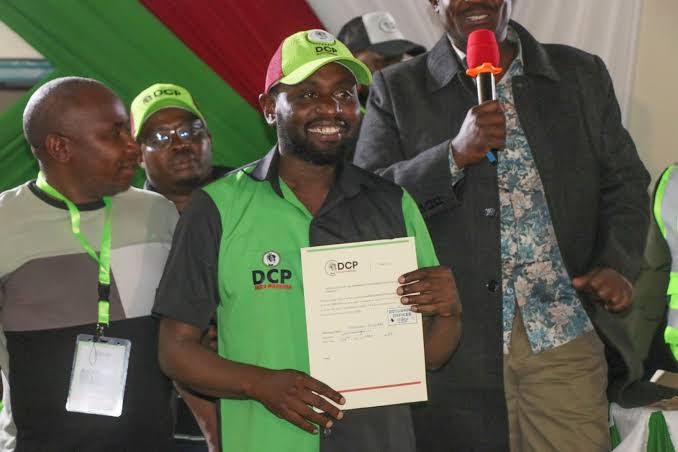
For an aspirant planning to contest an MP, senator or governor seat in the 2027 General Election, party nominations are a major milestone. But preparing for nominations involves much more than announcing your intention to run, attending political meetings or printing campaign posters.
You need to understand the rules, confirm your eligibility, organise your documentation, plan your finances, communicate clearly with the public and prepare for the administrative realities of nomination day.
For aspirants considering the Democracy for the Citizens Party (DCP), the nomination process has attracted particular attention following public statements by party leader Rigathi Gachagua about the party’s plans for 2027.
In August 2026, Tuko reported that Gachagua had announced March 2027 as the intended month for DCP nominations and had promised a process in which competing aspirants would have an opportunity to seek the party ticket. In July 2026, The Star reported the party’s intention to field candidates across all 47 counties. These are reported party announcements and should be checked against subsequent official notices.
For aspirants, the practical question is straightforward: How do you prepare properly for a competitive nomination process without relying on rumours, verbal promises or last-minute arrangements?
This guide covers the essential steps for MP, senator and governor aspirants, including party membership verification, nomination requirements, grassroots organisation, campaign documentation, digital communications and nomination-day preparation.
It does not promise a nomination victory. The objective is to help aspirants understand the process, organise their teams and make informed decisions.
1. Understand What DCP Has Announced About the 2027 Nominations
DCP has publicly presented itself as a party intending to field candidates for major elective positions across Kenya.
In July 2026, The Star reported Gachagua’s intention to field candidates for gubernatorial, senatorial, National Assembly and county assembly seats in all 47 counties.
In August 2026, Tuko reported his announcement that the party intended to conduct nominations in March 2027. The report also described his public commitment to giving competing aspirants an opportunity to participate in the process.
However, an announcement about intended nominations is not a substitute for the final official nomination notice, approved party rules or the applicable electoral timetable.
Aspirants should distinguish between three things:
- Public statements: What party leaders have said about their intentions.
- Official party requirements: The nomination rules, eligibility criteria, fees, documents and procedures issued by the party.
- Statutory requirements: The legal obligations administered by the relevant electoral and regulatory authorities.
These may relate to one another, but they are not interchangeable.
For example, a statement that nominations are expected in March does not mean every constituency or county will necessarily conduct its primary on the same day.
What should an aspirant do now?
Obtain the latest official DCP nomination information and confirm:
- Whether aspirant registration is open and what registration entails.
- The applicable nomination fees and official payment procedure.
- The requirements for the specific seat you intend to contest.
- The nomination method and the date and venue applicable to your contest.
- The procedure for raising a complaint or challenging a disputed result.
Do not make major financial commitments based solely on a social media post or a verbal assurance from someone claiming to speak for the party.
2. Start With Your Party Membership and Eligibility
One of the most important administrative tasks is confirming that your political party membership is properly recorded.
The Office of the Registrar of Political Parties (ORPP) explains that an individual cannot simultaneously belong to more than one political party. It also provides procedures for confirming party membership status.
This matters because an aspirant may believe they are registered with a party while their official records contain an error, an outdated affiliation or an incomplete registration.
Your membership checklist
- Confirm your current political party membership.
- Check that your personal details are accurate.
- Retain relevant membership records and official correspondence.
- Confirm that your membership satisfies the applicable nomination rules.
- Resolve any discrepancy through the authorised process.
- Keep proof of any registration or nomination payments.
The ORPP provides information on membership verification through its official website: orpp.or.ke.
Do not wait until nomination week
If your membership information is incorrect, leaving it until the last minute can create avoidable administrative pressure.
Check your records early, request corrections where necessary and retain written evidence of the action taken.
Also remember that party membership is only one part of eligibility. The legal qualifications for the particular elective office must be checked separately.
3. Understand the Official Nomination Timetable
The IEBC’s Election Operations Plan for 2025–2027 provides a planning framework for the electoral process.
The published plan identifies a period from 17 March to 10 April 2027 for political party primaries, with associated activities for membership lists, publication of nomination dates and venues, and handling of intra-party disputes. These are milestones in the Commission’s published plan, not confirmation that DCP will conduct every primary on a particular date within that window.
The plan may be updated, and aspirants should confirm the latest applicable notices before acting.
Official source: IEBC Election Operations Plan 2025–2027.
Create a nomination deadline register
A simple register can prevent missed deadlines.
| Requirement | What to record |
|---|---|
| Party registration | Deadline, confirmation and responsible person |
| Membership verification | Date checked and any correction required |
| Aspirant application | Required documents and submission date |
| Nomination fees | Official amount, payment method and receipt |
| Nomination notice | Confirmed date, venue and method |
| Candidate documentation | Outstanding requirements and completion status |
| Dispute procedure | Applicable rules, contact details and deadlines |
Assign someone to maintain this register and review it regularly with the campaign manager.
The important point is to work from official deadlines rather than assumptions about what happened during a previous election.
4. What MP Aspirants Should Prepare Before DCP Nominations
A Member of Parliament aspirant needs to understand the requirements for the National Assembly seat they intend to contest and prepare for the responsibilities associated with that office.
Start by confirming the applicable constitutional and statutory qualifications, the party’s nomination requirements and the documents needed for clearance.
Then organise your public information and administrative records.
Prepare a clear professional profile
Your profile should state your name, the seat you intend to contest, your relevant experience and your publicly stated priorities.
Keep the information accurate and easy to verify.
If you have previously served in public office, distinguish your personal responsibilities from projects delivered by a county government, national government agency or other institution.
If you have not held office before, present your professional background and policy proposals honestly. Do not present proposed projects as completed achievements.
Prepare your policy information
An MP candidate should be able to explain the responsibilities of the National Assembly and distinguish them from those of county governments and other public institutions.
Your published information might cover:
- Legislative priorities.
- Parliamentary oversight.
- Constituency-related public concerns.
- National budget and policy questions.
- Education, employment or infrastructure proposals within the relevant institutional framework.
Avoid making promises that assume one MP can independently control funding, procurement or the delivery of every development project.
Keep a nomination file
Maintain an organised file of membership records, application forms, official correspondence, payment receipts and other documents required under the current rules.
Use the party’s official checklist rather than relying on an old checklist circulating online.
5. What Senator Aspirants Should Prepare
A senator aspirant should prepare for both the nomination process and the constitutional responsibilities of the Senate.
The Senate represents counties and performs specific constitutional functions relating to county interests, legislation and oversight. Campaign communications should accurately reflect these responsibilities.
Prepare clear explanations of your priorities
Potential areas of public discussion include devolution, county revenue allocation, oversight of county governments and legislation affecting counties.
If publishing a statement about county funding, identify the relevant document and explain the figures in context.
If discussing a public project, establish which institution is responsible for its implementation.
Aspirants should also prepare a clear biography, policy statements, nomination documents and official contact information.
Make public information easy to find
A website can provide a permanent place for policy documents, press statements, interviews and relevant public records.
A senator aspirant’s digital presence should help people understand their stated priorities and verify the information published about them.
Do not rely entirely on short social media posts for complicated constitutional or budget matters. Where necessary, link to the underlying official documents.
6. What Governor Aspirants Should Prepare
A gubernatorial nomination involves additional preparation because county leadership covers a wide range of public services, budgets and development responsibilities.
Governor aspirants should familiarise themselves with the legal requirements for the office and develop a clear, evidence-based understanding of county government responsibilities.
Organise your county policy information
Depending on the issues relevant to the county, this may include:
- Health services.
- Agriculture and local economic development.
- County roads and public infrastructure.
- Water and sanitation responsibilities.
- Urban planning and local services.
- County budgeting and expenditure.
- Public participation and accountability.
A policy proposal should identify the problem, explain the proposed response and distinguish the county government’s responsibilities from those of national institutions.
Document public claims carefully
If you refer to county revenue, development expenditure or project completion, retain the official records supporting the statement.
If a project is proposed, label it as a proposal. If it is underway, describe its verified status. If it is completed, cite appropriate evidence.
This creates a consistent and auditable public record.
Establish a proper communications structure
A gubernatorial aspirant may have a wider range of issues to explain than a candidate contesting a single constituency.
Assign clear responsibility for website content, media enquiries, public statements, documentation and correction of errors.
A communications team should be able to identify the source of a figure or claim before publishing it.
7. Grassroots Organisation: Build a Reliable Local Structure
Nomination processes can involve substantial administrative and logistical work. An aspirant should understand the party’s nomination method and establish a team that can carry out legitimate, well-documented activities.
A grassroots structure should not be measured only by the number of people listed on a spreadsheet or the promises made by local organisers.
Instead, document what each team member is responsible for and whether the agreed work has been completed.
Create a clear reporting structure
Depending on the size of the electoral area, a campaign may organise its administrative work by constituency, ward or other relevant geographical unit.
Each coordinator should have a defined responsibility, a reporting line and a method of recording completed tasks.
For example, a coordinator may be responsible for confirming venue arrangements for a public forum, while another manages event documentation and a third maintains expenditure records.
Maintain accurate records
Use a simple register to record meetings, attendance estimates, expenses, unresolved questions and follow-up actions.
Protect personal information and do not collect sensitive details without a lawful and necessary reason.
If the campaign collects information from members or participants, explain its purpose and handle it in accordance with applicable data protection requirements.
Avoid relying on verbal promises
If a local organiser agrees to complete a task, document the task, deadline and expected evidence of completion.
This helps the campaign distinguish completed work from assumptions.
The same approach applies to meetings, events, documentation and other administrative activities.
8. Nomination Day: Prepare for a Process That Can Be Verified
Nomination day can involve uncertainty, particularly when several aspirants are competing for a party ticket.
Preparation should focus on understanding the official process, confirming logistics and preserving accurate records.
Before nomination day
Confirm the official date, venue, nomination method and applicable rules.
Ensure that your application has been accepted and that the party has confirmed any outstanding requirements.
Identify the official communication channels to use if a procedural question arises.
Understand the applicable voting process
Do not assume that every party uses the same nomination method.
The Political Parties Act provides a legal framework for party nominations, including requirements relating to the certified membership register and notification of nomination details. The actual procedure must be checked against the applicable law and approved party rules.
Obtain the official instructions explaining who is eligible to participate, how the process will be conducted and how results will be recorded.
Preserve relevant documentation
Retain your application, official notices, receipts and other relevant correspondence.
If a dispute arises, document the specific facts, dates and evidence, and use the formal complaint or dispute-resolution procedure within the applicable time limits.
Seek qualified legal advice when necessary.
Avoid spreading unverified allegations or presenting a disputed claim as an established fact before it has been examined.
9. Digital PR for DCP Aspirants: Why Documentation Matters
Political communications now extend beyond rallies and posters.
Aspirants may use websites, social media, video, online publications and digital archives to make public information accessible and document their activities.
A professional communications system should make it possible to identify what was published, when it was published, who approved it and which records support its factual claims.
Establish an official online presence
An aspirant’s website or official profile can include:
- A verified biography.
- The elective seat being sought.
- Policy proposals.
- Public statements.
- Event announcements.
- Media coverage.
- Official contact information.
- Relevant public documents.
Keep the information current and correct errors transparently.
Use video and photography responsibly
Video can document public meetings, speeches, interviews and policy discussions.
Preserve the context of recordings and avoid editing footage in a way that changes the meaning of a statement.
Obtain appropriate permissions and respect privacy when recording or publishing identifiable individuals.
Maintain a searchable digital archive
An organised archive may include dated speeches, event reports, press statements, photographs, policy documents and relevant historical material.
Use descriptive file names and record dates, sources and context.
This makes it easier to locate original information when preparing a statement, answering a question or correcting an error.
Measure communication accurately
Record website visits, content reach, meaningful engagement, document downloads and public enquiries.
Do not present views or followers as proof of nomination support or likely election results.
The purpose of analytics is to understand how well information is being delivered and accessed.
10. Budgeting for the Nomination Period
An aspirant should prepare a realistic budget covering administrative requirements and planned activities.
Costs vary by seat, location, party rules and the scale of the operation. Use actual quotations and the latest official fee schedule rather than relying on figures from a previous election.
Potential budget categories include:
| Budget category | What to document |
|---|---|
| Registration and nomination | Official fees and payment receipts |
| Documentation | Printing, copying and secure record storage |
| Communications | Website, content production and approved publishing costs |
| Public meetings | Venue, equipment and other documented expenses |
| Transport | Approved travel and logistics costs |
| Professional services | Agreed legal, accounting or communications services |
| Contingency | Approved provision for unexpected legitimate expenses |
These are categories to consider, not a statement of DCP’s current fees or a prediction of what a nomination campaign will cost.
Maintain a record of expenditure, approvals and receipts, and obtain professional advice on the campaign-financing requirements applicable to your activities.
11. Common Mistakes DCP Aspirants Should Avoid
Several administrative mistakes can create unnecessary difficulties during a nomination process.
Mistake 1: Depending on rumours. Confirm nomination dates, fees and procedures through official party notices and the relevant authorities.
Mistake 2: Ignoring membership records. Check your party membership status early and resolve discrepancies through the authorised process.
Mistake 3: Leaving documents until the last minute. Use a checklist and retain evidence of submissions.
Mistake 4: Treating public announcements as final rules. Obtain the approved nomination requirements for your specific contest.
Mistake 5: Keeping poor financial records. Record payments, expenses and approvals in a consistent system.
Mistake 6: Publishing unverified allegations. Check facts before publishing and distinguish confirmed information from disputed claims.
Mistake 7: Failing to document decisions. Maintain official correspondence, event records and relevant reports.
Mistake 8: Confusing digital popularity with verified support. Report online metrics accurately and avoid unsupported claims about public opinion.
Mistake 9: Ignoring formal dispute procedures. Understand the relevant complaint mechanism and act within applicable deadlines.
Mistake 10: Failing to plan communications. Establish who approves official statements and who responds to public enquiries.
12. A Practical DCP Nomination Preparation Checklist
Use this checklist as an administrative starting point. Confirm every requirement against the latest official rules.
- Confirm the intended elective seat.
- Obtain the current DCP nomination rules.
- Verify party membership status.
- Confirm legal eligibility for the seat.
- Obtain the official application and document checklist.
- Verify registration and nomination fees.
- Record all official deadlines.
- Organise a secure nomination file.
- Establish clear team responsibilities.
- Prepare an approved budget and record-keeping system.
- Confirm the nomination date, venue and method when officially announced.
- Understand the formal complaint and dispute-resolution procedures.
- Establish a reliable process for public statements and corrections.
- Preserve relevant records after the nomination process.
13. Where to Confirm Official Information
Aspirants should prioritise primary sources when checking legal requirements and nomination procedures.
Democracy for the Citizens Party (DCP): Request the latest official nomination rules, notices, fee schedule and candidate application requirements directly from the party.
Independent Electoral and Boundaries Commission (IEBC): iebc.or.ke — consult the current election operations plan and official notices.
Office of the Registrar of Political Parties (ORPP): orpp.or.ke — check party membership information, political party records and relevant regulatory guidance.
Political Parties Act: Read the Act through the official ORPP website.
Media reports can help aspirants follow public announcements, but the applicable official rules and notices should determine the actions they take.
Conclusion: Prepare Early, Keep Records and Understand the Rules
For DCP aspirants seeking MP, senator or governor seats in the 2027 General Election, preparation for nominations should begin with the fundamentals: membership verification, eligibility, official nomination rules, documentation, budgeting and a clear understanding of the electoral timetable.
Public announcements about the party’s plans provide context, but aspirants should confirm the requirements that apply to their own contest before making important decisions.
A well-organised nomination preparation process helps an aspirant understand their obligations, track outstanding requirements and respond to administrative questions with supporting records.
Professional digital communications can support this work by making official information accessible, preserving relevant documents, managing media enquiries and maintaining a consistent record of public activities.
Need a digital strategy and communications partner for your political journey?
Our agency offers partnership opportunities for political aspirants seeking professional support with:
- Digital strategy and website management.
- Political public relations and media communications.
- Social media management and content production.
- Video, photography and event documentation.
- Search engine optimisation and online visibility.
- Media monitoring and factual response preparation.
- Digital archives and public project documentation.
- Communications reporting and performance measurement.
We work with clients to define clear deliverables, maintain accurate records and develop communications systems suited to their needs.
Contact us to discuss a digital strategy and communications partnership for your 2027 political journey.